Artist Spotlight on Landon Perkins
At MIXD Gallery, we are drawn to artists who balance technical rigor with conceptual depth – those who challenge how we see, interpret, and engage with the world around us. Landon Perkins does exactly that.
Based in Northwest Arkansas and working as an Exhibition Designer at Crystal Bridges Museum of American Art, Perkins approaches his practice with both curiosity and discipline. His work moves fluidly across mediums, guided not by material, but by idea. In this conversation, we explore the origins of his creative voice, the tension between precision and humanity, and the conceptual framework behind his latest exhibition, Forward Places.
On Early Influences and Finding Art
MIXD: Did you grow up around art? How did that shape your creative life?
LANDON PERKINS: Not really. I grew up in the suburbs of Tallahassee in the ’90s, and there weren’t art museums around me. Fine art felt like something distant – something for a different kind of world. It was intriguing, but I didn’t know how to access it.
That said, I was always drawing. Little cartoon characters, things like that. My friends would come to me when we needed something illustrated. So there was always a natural pull toward it – I just didn’t have a clear path or example of what it could become.
Looking back, I think art has always informed me. It started as play. And now, having access to art and community – especially living in Arkansas and working at Crystal Bridges – that’s something I didn’t have growing up. It still feels a little foreign in the best way.
On Working Within a Museum Context
M: How does your role at Crystal Bridges Museum of Art inform your practice?
LP: Working in a museum is incredibly formative. You’re constantly surrounded by artists who have built careers, practices, and systems around their work. It demystifies things.
You start to realize that these works – these objects that feel so elevated—were made by people. And you can see the imperfections, the process, the decisions. That’s been huge for me, especially when I’m making something and think, this isn’t working. It reframes that moment as part of the process.
It’s also shifted my perspective away from being overly self-focused. In grad school, everything is about you – your voice, your intent. Museums, on the other hand, center community. They ask how work lives beyond the artist. That’s been really inspiring.
On Concept, Process, and Accessibility
M: How do you approach your work conceptually?
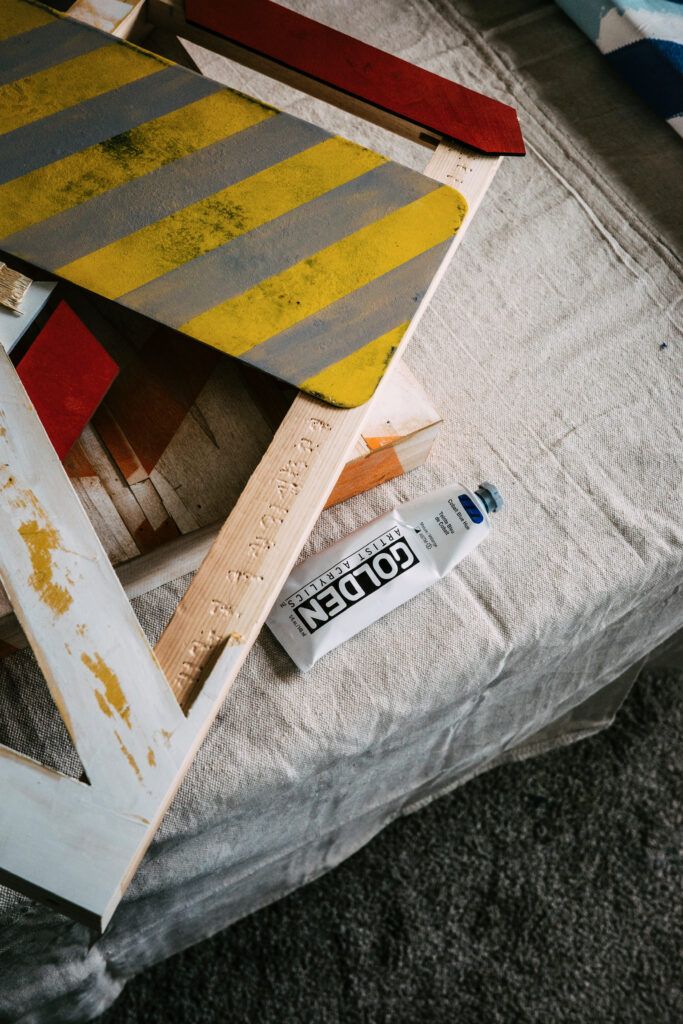
LP: Everything starts with an idea. I think through a concept first, and then I assign a medium based on what best communicates that idea. That can sound intimidating – like you need to be fluent in theory – but for me, it’s actually very grounded.
I want the work to be approachable. I learned early on that if the people I care about most don’t understand what I’m making, something’s off. So I try to take everything I’ve learned and root it in everyday experience. I think about my work in a pretty mundane way, honestly. I grew up outside of the art world, and I still carry that perspective.
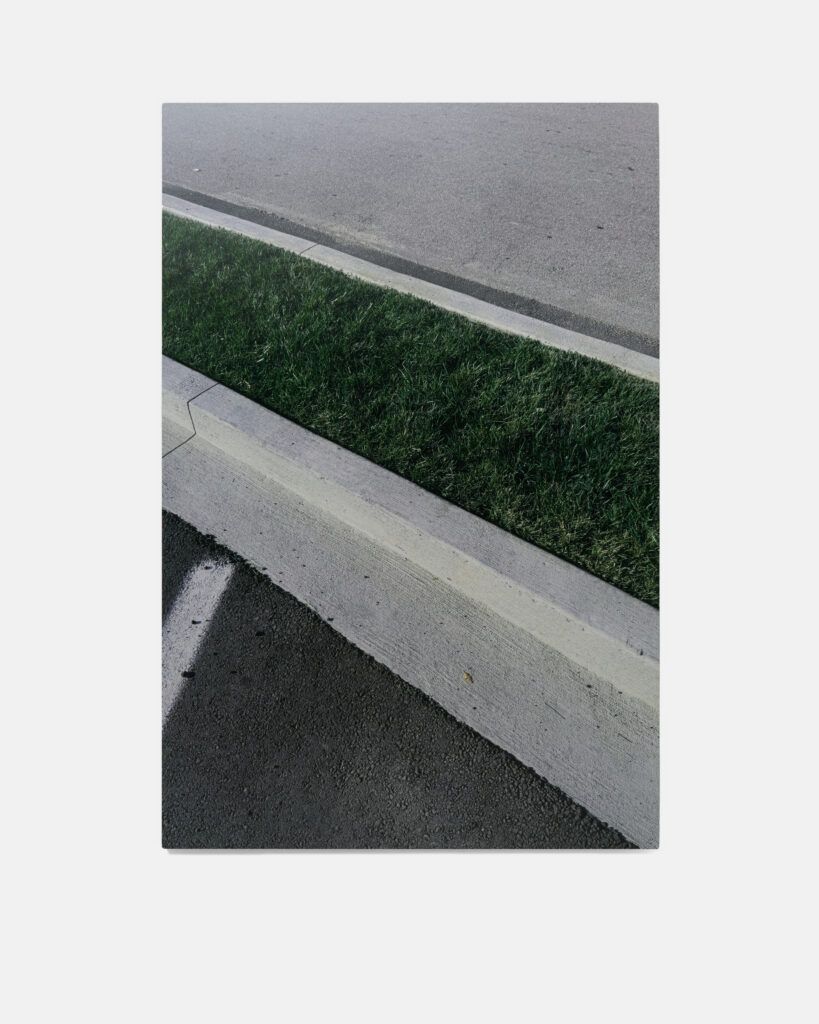
A lot of my ideas come from childhood – specifically growing up in a suburban cul-de-sac with this strange mix of control and nature. I had access to a three-mile stretch of green space behind my house, and I’d spend hours exploring it – getting lost, then suddenly reappearing in someone’s backyard.
That tension – between the sublime and the everyday – is where I still start.
On Inspiration + The Everyday
M: Where do ideas come from for you?
LP: ’m not someone who can just sit in a studio all day waiting for something profound to happen. Most of my ideas come when I’m not actively trying – driving, shopping, just moving through daily life.
It’s about noticing something small and turning it slightly – just enough to ask a bigger question. There’s no fixed answer, just different ways of interpreting the same moment.
Even something as simple as stopping at a red light and seeing birds picking at roadkill – it becomes a question. What does that mean? How do you translate that into a sculpture or a piece of work?
LANDON PERKINS
You have to be willing to be bad at something again. That’s where growth happens.
On Medium + Making
M: You work across many mediums. How do you think about that?
LP: I love it and I hate it. If something starts to feel predictable, I lose interest. I’m not drawn to making variations of the same thing – I’m more interested in exploring ideas and letting the medium follow.
My background is in printmaking—screen printing, etching, lithography – and that training taught me discipline. It also taught me how long it takes to get good at something. Years. That’s something I carry with me when I try new processes. You have to be willing to be bad at something again. That’s where growth happens.
On Imperfection
M: There’s a noticeable embrace of human hand in your work.
LP: That’s been a shift for me. I used to care a lot about technical precision – making sure everything looked “correct.” Now I’m more interested in the human element. Letting a line waver. Letting something feel unresolved.
Especially now – with AI and machine-made perfection—people crave evidence of the human hand. That imperfection is what makes something feel real.
On “Growing” + Layered Process
M: Can you talk about a piece that feels particularly important to you?
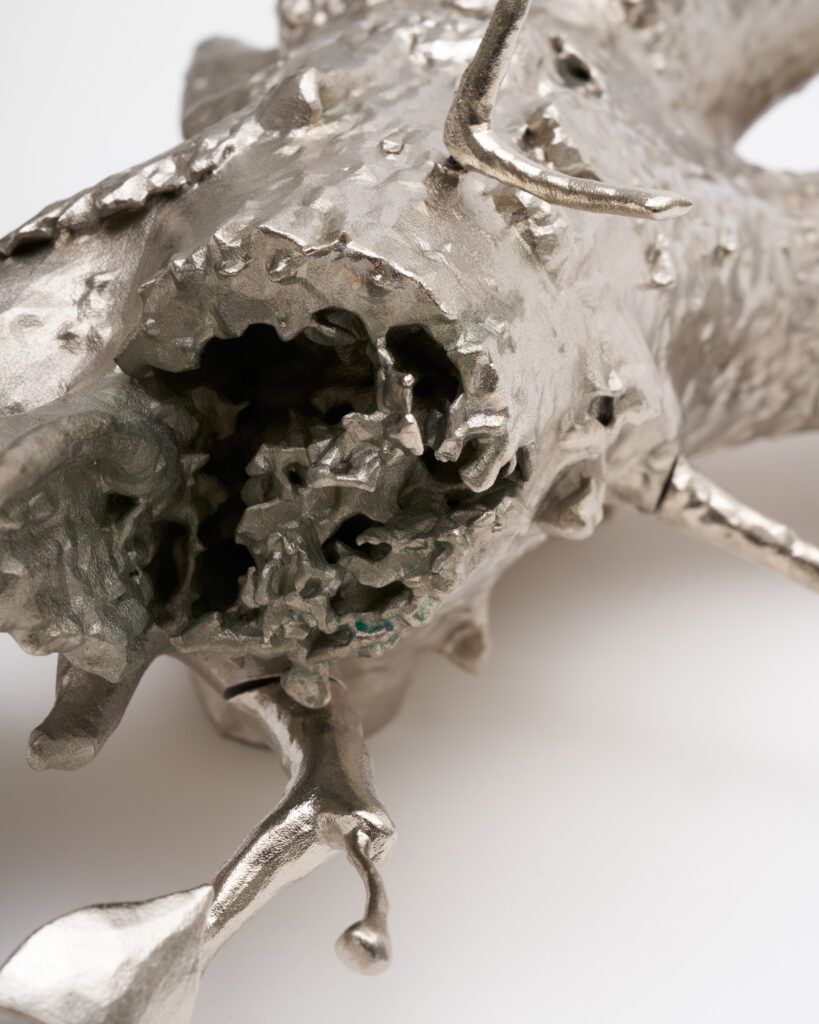
LP: There’s a piece called Growing – a nickel-plated tree root. It started with a stump in my yard. I tried to remove it, and it took hours because the roots were so deeply embedded. When I finally pulled it out, I realized it was beautiful. I originally planned to cast it in bronze, but the foundry said it was too complex. So I pivoted – I scanned it, used AI to generate a model, then went back in and manually sculpted and refined it. Eventually, I worked with a plating company to finish it.
What I love about it is that it holds all of those layers: nature, machine interpretation, human intervention, collaboration. It becomes a kind of record of process and decision-making.
On Forward Places
M: What do you want people to take away from Forward Places?
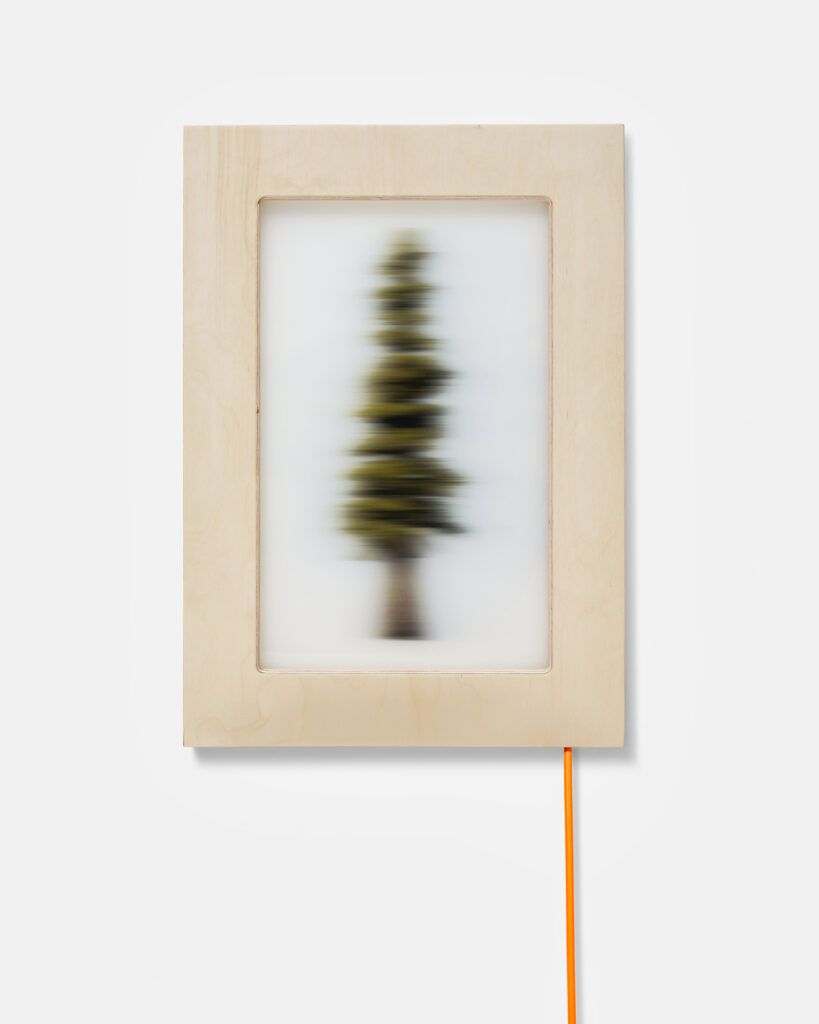
This exhibition is about weaving together all the different directions my practice has taken.
It started with thinking about diagrams – how they carry authority. When we see them, we trust them. They feel factual.
I wanted to challenge that. What happens when you simplify something complex – like life – into a diagram?
At its most reduced, it could read as: birth, consumption, death. That’s obviously not the full story, but presenting it that way makes you pause. It asks: What am I doing with my time?
That’s really the core of it for me.
Landon Perkins’ work exists in the in-between – between structure and spontaneity, precision and imperfection, concept and lived experience. His practice reminds us that meaning doesn’t always arrive fully formed; it’s often discovered through process, iteration, and attention to the everyday.
Forward Places invites viewers to reconsider not only how we interpret systems and structures – but how we move through them.
Article Credits
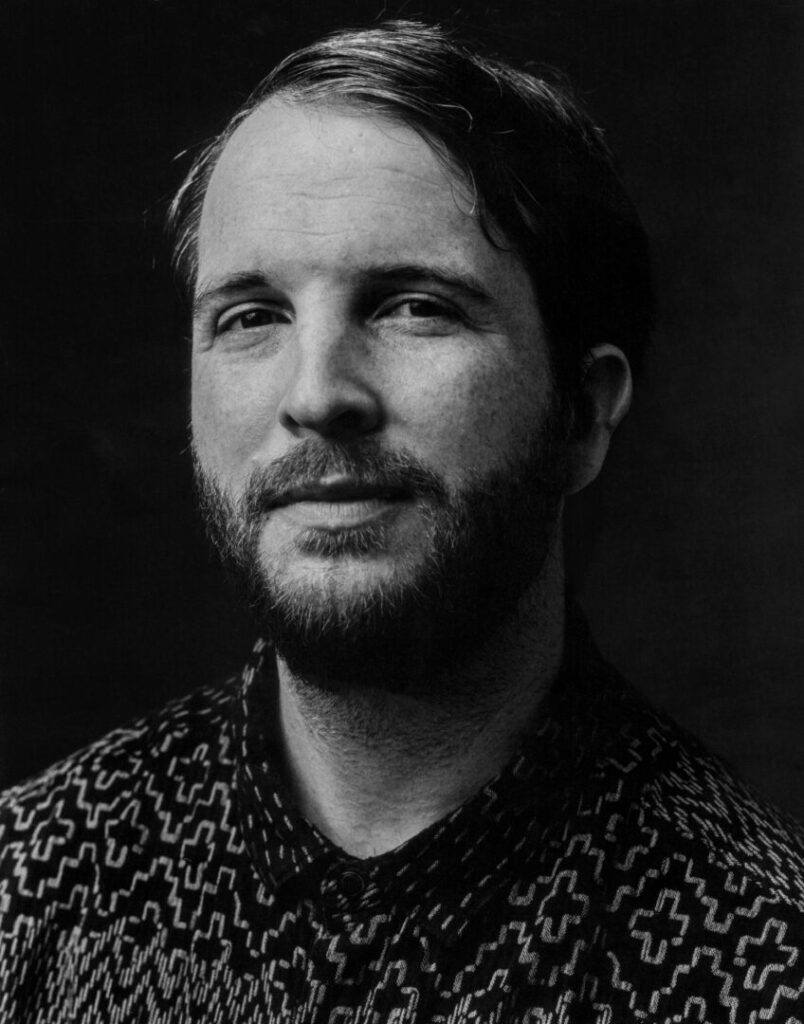
Artist Portrait by Kes Efstathiou
Videography & Studio Visit Imagery by Hone Creative Studio